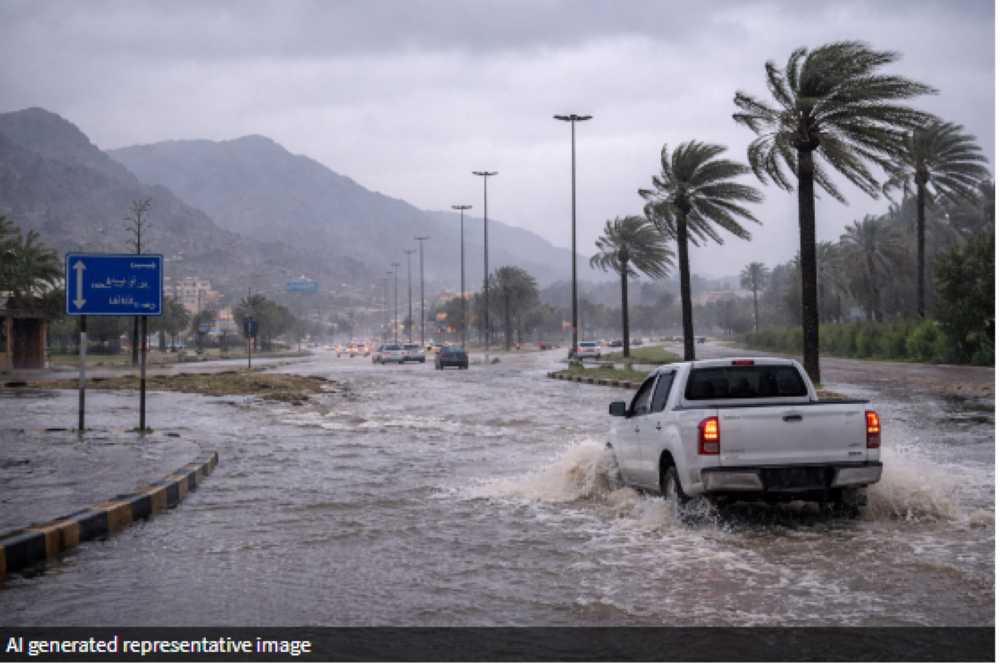
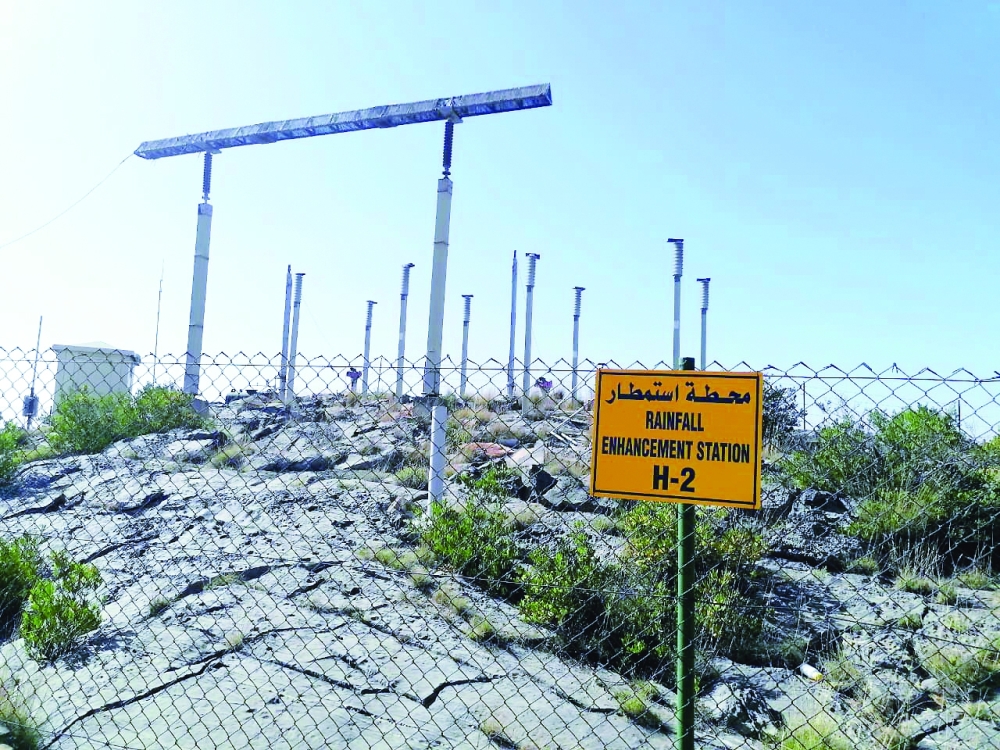
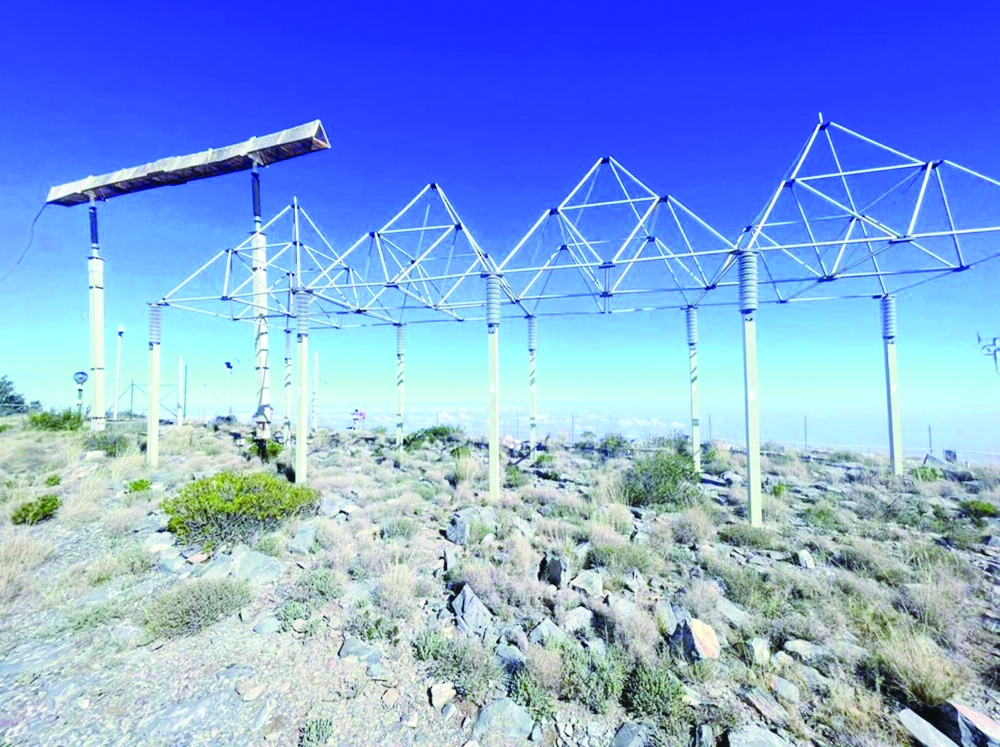





MUSCAT: Cloud seeding has proved successful in the Sultanate of Oman, boosting average rainfall by 13.6 per cent through14 stations distributed over mountainous regions. The Sultanate of Oman applies ionisation technology to stimulate precipitation from rainy clouds, without using harmful chemicals.
Eng Khalid bin Salem al Houti, Director of the Cloud Seeding Centre at the Ministry of Agriculture, Fisheries and Water Resources, said, “The analysis of cloud seeding data between 2013 and 2022, which was conducted in cooperation with a specialised institute, proved the success of the artificial precipitation project in the Sultanate of Oman, with a 13.6 per cent increase in average rainfall.”
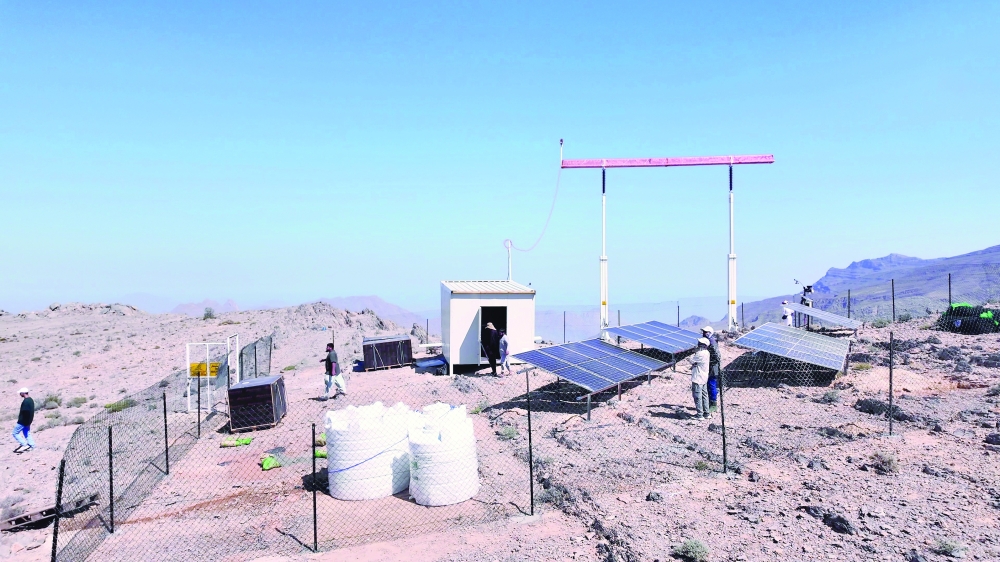
In 2016, a station for artificial precipitation was established in the Wilayat of Qurayat in the Muscat Governorate and another one was established in the Wilayat of Al Khaboura in Al Batinah North Governorate. In 2017, two stations were established in the Wilayats of Liwa in the Al Batinah North Governorate and Bidbid in Al Dakhiliyah Governorate.
Two more stations were established in 2018 in the Wilayats of Rakhyout and Dhalkout in Dhofar Governorate.
A cloud seeding station was established in the Wilayat of Al Mudhaibi in 2023 at an altitude of 800 metres, and another one was established on Mount Harim in the Wilayat of Khasab in Musandam Governorate in 2026 at an altitude of 1224 metres with its effects extending to the Wilayat of Khasab and the surrounding areas, he said.
Al Houti said that studies continue to establish new cloud seeding stations in suitable locations from both a technical and meteorological perspective, according to the geographical and climatic characteristics of each region, and that there is a future plan to expand the cloud seeding project in a number of wilayats.
The director of the Cloud Seeding Centre noted that the ionisation technology applied in the Sultanate of Oman is considered safe and environmentally friendly because it does not use harmful chemicals. He pointed out that the most significant challenge facing the project after more than a decade of operation is the difficulty of access given that most of the stations are located on mountaintops and high-altitude areas, in some cases, it may be necessary to use helicopters for operation and maintenance work.
Oman Observer is now on the WhatsApp channel. Click here